
The Value of a Proactive Landscape Audit for Your Commercial Property

The Value of a Proactive Landscape Audit for Your Commercial Property
A proactive landscape audit identifies what needs attention now and what you should be planning for across your commercial property. Instead of waiting for problems to show up, you and your landscape partner can identify priorities early and determine what needs to happen next.
For commercial property managers and owners, that means fewer surprises and a better plan for maintaining the property, addressing larger improvements, and preparing for future expenses.
In this article, we'll cover:
What a landscape audit is
What to evaluate during an audit
How to prioritize property improvements
How an audit supports capital improvement planning
When to schedule an audit for your commercial property
It starts with knowing what to look for during a property walkthrough.
What Is a Landscape Audit?
A landscape audit is a property-wide review of your commercial landscape to identify current issues, maintenance needs, and areas that require future planning.
You may also hear a landscape audit referred to as a “property walk” or “walk audit.” Whatever you call it, the goal is to look beyond the regular maintenance schedule and identify what needs attention across the property.
The walkthrough also gives you and your landscape partner a chance to compare what you're seeing, discuss priorities, and determine what deserves a closer look.

What to Include in Your Landscape Site Audit Checklist
Your landscape site audit checklist should cover the areas that affect the health, function, appearance, and maintenance of your commercial property. A thorough walkthrough should include:
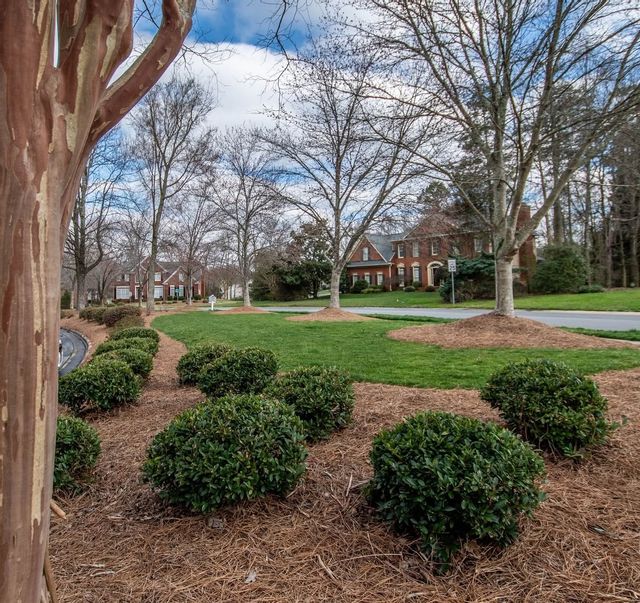
1. Turf and Plant Health
Evaluate the condition of your turf, trees, shrubs, and other plant material. Look for:
Thin, stressed, or declining turf
Struggling or declining plants
Aging plant material
Plantings that aren't well-suited to their location
Look for patterns across the property, not just isolated problem areas. Recurring or widespread issues often point to a larger need that deserves attention.
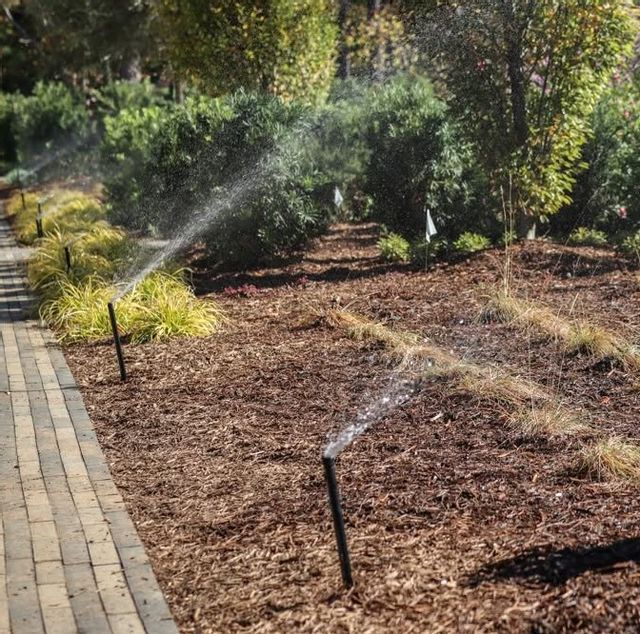
2. Irrigation Performance
Review how effectively the irrigation system supports the landscape. Look for:
Areas receiving too much or too little water
Inconsistent coverage
Aging or inefficient components
Opportunities to improve water management
Also review the irrigation technology already in place. Nozzle replacements, smart controllers, flow sensors, and other upgrades should be evaluated based on the property's current system and water management needs.

3. Maintenance Scope
Compare what the property needs today with what's included in your landscape maintenance scope. Ask:
Are recurring needs falling outside the current scope?
Have site conditions changed since the scope was established?
Does the current level of service match the property's expectations?
This review helps determine whether the maintenance agreement still reflects the property you're managing today.
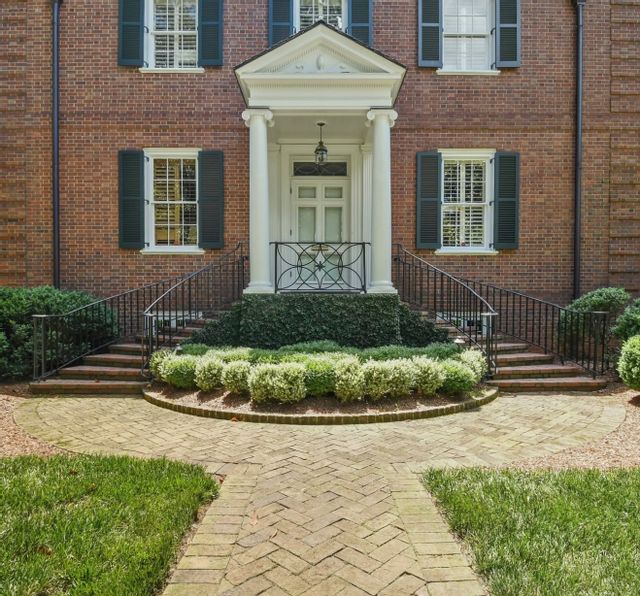
4. Curb Appeal and Property Appearance
Evaluate what tenants, residents, customers, employees, and visitors see when they arrive. Focus on entrances, high-visibility areas, dated landscaping, and other areas that aren't presenting the property the way you want them to.
5. Larger Property Improvements
Identify needs that fall outside routine landscape maintenance, such as:
Phased plant replacement
Irrigation system improvements
Retention pond work
Property-wide landscape enhancements
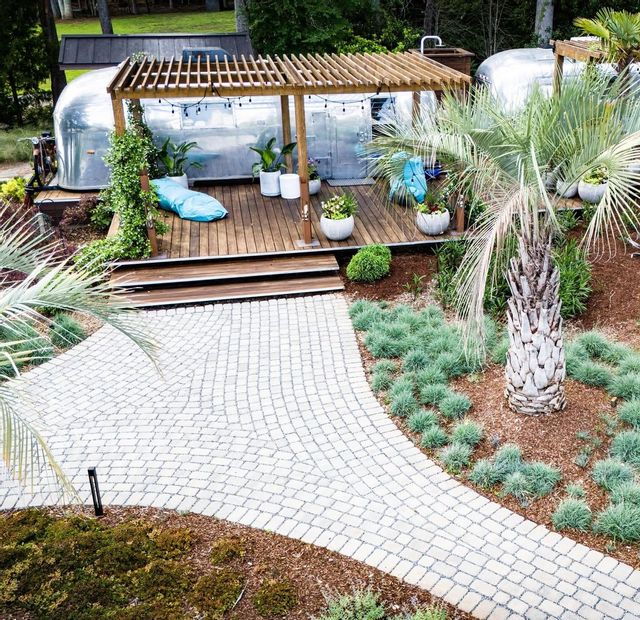
5. Larger Property Improvements
Identify needs that fall outside routine landscape maintenance, such as:
Phased plant replacement
Irrigation system improvements
Retention pond work
Property-wide landscape enhancements
Once you've documented what the property needs, the next step is determining which improvements deserve attention first.
Here’s How a Landscape Audit Helps You Prioritize Property Improvements
A landscape audit helps you separate what needs attention now from what you need to plan for over the next several years. That gives you a practical timeline for addressing improvements instead of treating every recommendation as an immediate priority.
Break the findings into short- and long-term priorities:
Timeframe | What to prioritize |
Within the next year | Needs that affect the landscape's current condition or performance |
Within 2–3 years | Improvements that don't require immediate action but should be planned for in the next few years |
Within 3–5 years | Larger projects that require more preparation or coordination |
Long-term planning becomes especially important on commercial properties that are 20, 25, or 30 years old. Aging plant material and landscape infrastructure don't need to be replaced all at once. Identifying those needs early gives you time to phase larger improvements instead of dealing with several major projects at the same time.
Once you've established that timeline, you have a stronger foundation for determining which larger projects belong in your capital improvement plan.
How a Landscape Audit Supports Your Capital Improvement Plan
A landscape audit supports capital improvement planning by identifying larger landscape projects and establishing estimated costs before your property budget is finalized. This gives you concrete numbers for improvements that require funding beyond routine landscape maintenance.
Not every project needs to happen next year. But putting a number to it now gives owners, regional managers, and other decision-makers time to account for the expense in a future budget.
Potential capital improvement | Why it requires advance planning |
Phased plant replacement | Requires funding for landscape updates beyond routine plant care |
Irrigation system upgrades | Often involves larger system investments outside the maintenance budget |
Smart controllers or flow sensors | Requires upfront funding for irrigation technology that supports more efficient water management |
Retention pond work | Involves additional budgeting, scheduling, and coordination |
Landscape enhancements | Larger curb appeal improvements often require separate approval and funding |
Including these projects in the budget process helps avoid a midyear request for work that has no money allocated to it. It also puts landscape improvements where they belong: alongside the property's other capital needs.

When Should You Schedule a Landscape Audit?
Schedule a landscape audit before budget planning, major property changes, or recurring landscape issues force a decision. The right timing gives you and your landscape partner time to identify priorities and plan the next steps.
Consider scheduling an audit:
Before annual budget or renewal planning: Identify landscape needs and upcoming expenses before budgets and contracts are finalized.
As the property ages or its needs change: Determine whether the landscape and maintenance scope still match what the property requires today.
When the same problems keep returning: Look beyond the immediate fix to identify what's causing the issue.
Before a major exterior improvement: Assess existing landscape conditions before moving forward with changes to the property.
When property priorities change: Reevaluate the landscape after changes in ownership, management, tenants, or expectations.
Your account manager should walk the property before meeting with you so they come prepared with specific issues, questions, and recommendations. From there, you can walk the site together and focus the conversation on what needs attention and what needs to be planned for.
Why Proactive Landscape Care Goes Beyond Routine Maintenance
Proactive landscape care goes beyond completing the work on your maintenance schedule. Mowing, pruning, and weed control are baseline expectations. Your landscape partner should also be identifying concerns, bringing recommendations to you, and looking ahead to what the property will need next.
Your landscape partner should:
Bring concerns to your attention before you have to point them out
Explain what's happening and why it matters to the property
Recommend solutions based on actual site conditions
Communicate clearly about priorities and next steps
Look ahead to needs that should be addressed in future property plans
That's the value of a proactive landscape partner: they don't wait for you to tell them what needs attention.
Stay Ahead of Your Commercial Landscape Needs
Family-owned since 1999, Tim Johnson Landscaping works with commercial property owners and managers throughout the Statesville, Lake Norman, and Charlotte areas to identify landscape needs, prioritize improvements, and plan ahead for their properties.
Ready to take a closer look at your commercial landscape?
Schedule a Property Walkthrough
FAQs
What does a commercial landscape audit include?
A commercial landscape audit evaluates the key areas that affect the health, function, appearance, and maintenance of your property. This typically includes turf and plant health, irrigation performance, maintenance scope, curb appeal, and larger landscape needs outside routine maintenance.
Is a landscape audit the same as a yard audit?
A landscape audit and a yard audit both evaluate the condition and needs of an outdoor space, but the term “yard audit” is more commonly associated with residential properties. A commercial landscape audit evaluates the broader needs of a commercial site and its ongoing landscape management.
How often should a commercial property have a landscape audit?
There isn't one set schedule for every commercial property. The right timing depends on the property's age, condition, recurring landscape concerns, and upcoming changes, with additional walkthroughs especially useful before annual planning or major exterior improvements.
Who should attend a commercial landscape walkthrough?
A commercial landscape walkthrough should include your landscape professional and someone involved in property decisions. Depending on your organization, that might include the property manager, facility manager, regional manager, or owner.
What should you do after a landscape audit?
After a landscape audit, organize the findings based on priority and determine the appropriate next step for each item. Address immediate needs first, then incorporate near-term improvements and larger projects into the property's planning process.
5.0 (22 Reviews)
Tim Johnson Landscaping, Inc.
1142 Turnersburg Hwy
Statesville, NC 28625
(704) 878-2419
www.timjohnsonlandscaping.com
Proudly Associated With
